Life Decision Making, Transitions and Burnout
Sometimes life asks more of you than you feel equipped to give.
Compassionate individual counselling to help you find clarity, navigate change, and reconnect with what matters most.
Counselling for Life Decisions, Transitions and Burnout
There are moments in life when the path forward is genuinely unclear. A decision that feels too big to make alone. A transition that has pulled the ground out from under you. An exhaustion so deep that even figuring out what you need feels impossible. These are not signs of weakness or failure. They are signs that you are carrying something significant, and that you deserve real support in working through it.
I offer individual counselling in Kelowna and online across BC for people navigating major life decisions, significant transitions, and the particular depletion that comes with burnout. These three experiences are often deeply connected: burnout can make decisions feel impossible, transitions can trigger burnout, and the inability to make a decision can itself become a source of exhaustion. Working through them together, rather than in isolation, tends to be far more effective than addressing any one of them alone.
This is a space where you can think out loud without judgment, slow down without guilt, and begin to find your way back to a sense of yourself that feels grounded, clear, and genuinely yours.
Together, we’ll create a path toward healing, personal growth, and resilience.
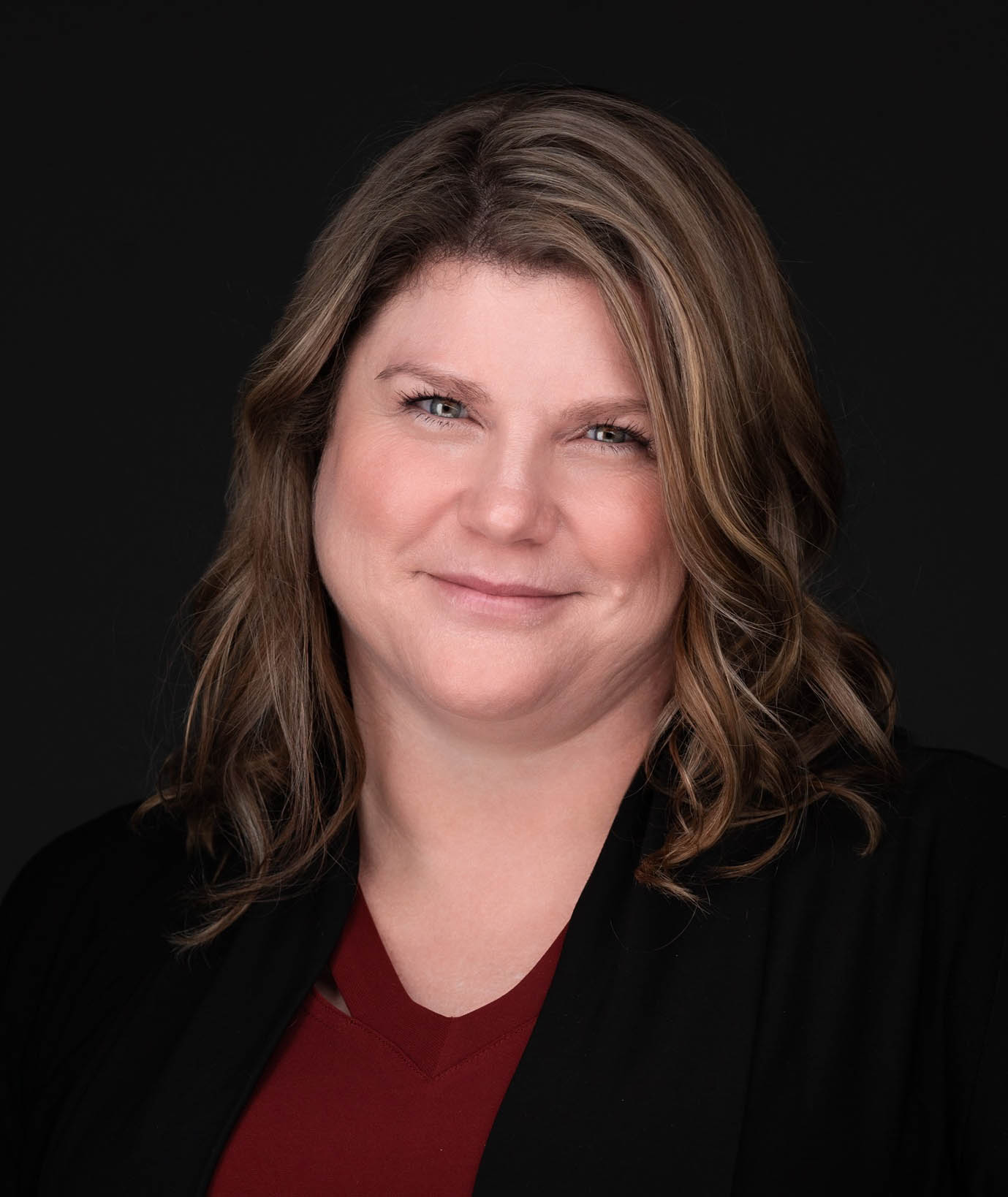
– Katharine Hansen
Book A Counselling Appointment Now
You do not have to figure this out alone. New clients are welcome to book a complimentary 20-minute online consultation so we can connect before you commit to anything.
Counselling Options To Help Navigate Your Life
Navigate life’s crossroads with confidence. Empowering decision making, offering support through life transitions, and providing guidance on managing burnout. Gain clarity, resilience, and purpose on your journey toward a more fulfilling life.
When You Are Facing a Decision You Cannot Make Alone
Some decisions feel genuinely impossible. Not because you lack intelligence or capability, but because the stakes are high, the options are unclear, the values involved are in conflict, or the fear of getting it wrong has become paralysing. Major life decisions, around career, relationships, where to live, whether to have children, how to leave something that is no longer working, carry a weight that is difficult to hold alone.
What makes big decisions so hard is rarely a lack of information. It is usually a lack of clarity about what you actually value, what you actually want, and what you are actually afraid of. Those are not questions that can be answered by making a pros and cons list. They require a deeper kind of honest reflection, ideally in a space where someone is helping you think rather than telling you what to think.
In counselling, decision making is not about being told what to do. It is about creating the conditions for you to hear yourself more clearly. We slow the process down, look at what is driving the difficulty, explore the values and fears underneath the surface of the decision, and work toward a place where you can move forward with genuine conviction rather than anxiety-driven urgency or avoidance.
What Counselling Helps With Around Decision Making
Decisions around career direction, including whether to stay, leave, or change course entirely. Decisions about relationships, including whether to commit, separate, or redefine what a relationship looks like. Decisions around family, including whether and when to have children, or how to navigate complex family dynamics. Life direction decisions when what you have been doing no longer feels aligned with who you are. Decisions made harder by past experiences, anxiety, or a deep fear of making the wrong choice.
The goal is not a perfect decision, because those rarely exist. The goal is a decision you can stand behind, that reflects what you actually value, and that you can move forward from with a sense of clarity and hope rather than dread.
Navigating Life Transitions
What makes transitions difficult is not just the practical change. It is the identity disruption that comes with it. We build our sense of self around the roles, routines, and relationships that make up our daily lives. When those shift significantly, the question of who you are now, separate from who you were in the previous chapter, can surface in ways that feel genuinely unsettling.
Transitions also often involve loss, even when they are positive. The person who gets the promotion they wanted still loses the familiarity and ease of the old role. The new parent gains something profound and also loses a version of their life and identity that they may not have expected to grieve. That grief is real and it deserves space, even when the overall change is a good one.
Types of Transitions People Bring to Counselling
Career transitions, including job loss, career change, retirement, or the loss of a professional identity. Relationship transitions, including new partnerships, separation, divorce, or the shifting dynamics of long-term relationships. Family transitions, including becoming a parent, children leaving home, or the death of a parent. Personal identity transitions, including the loss of a role that defined you, a health change that alters how you move through the world, or a values shift that has left you questioning what you want your life to look like. Geographic transitions, including moves that separate you from community, support networks, or a sense of home.
Counselling during a transition gives you a space to process what is ending, find your footing in what is beginning, and develop a clearer sense of who you are becoming on the other side. Transitions are not just things to get through. Handled with the right support, they are often the moments where the most meaningful growth happens. There is genuine hope in that.

Understanding and Recovering From Burnout
Burnout is not just being tired. It is a state of deep depletion, physical, emotional, and mental, that develops when the demands on a person consistently exceed their capacity to recover. It tends to build slowly and then arrive all at once, often at the point where you have been running on empty for so long that you have lost the ability to feel anything except exhaustion.
One of the most difficult things about burnout is that the people most susceptible to it are often the most capable, committed, and conscientious people in the room. The ones who say yes when they should say no, who push through when they should rest, who measure their worth by their output and find that the output is no longer enough to sustain the belief that they are okay.

Burnout vs Depression: Understanding the Difference
Burnout and depression share many symptoms and are often confused, but they are not the same thing and they respond to different kinds of support. Burnout is primarily situational: it is driven by chronic overload and tends to improve with genuine rest, boundary-setting, and a reduction in demands. Depression is more pervasive: it affects mood, motivation, and sense of self regardless of circumstances and often persists even when the external situation improves.
In practice the two frequently co-exist. Prolonged burnout can develop into depression, and depression can make it impossible to recover from burnout. In counselling we take the time to understand what you are actually experiencing rather than applying a label too quickly, because the distinction genuinely matters for what kind of support will help most.

What Burnout Recovery Actually Looks Like
Recovery from burnout is not simply a matter of taking a holiday or getting more sleep, though rest matters. It requires understanding what drove the burnout in the first place: the beliefs about worth and productivity that made overcommitment feel necessary, the difficulty saying no, the patterns of self-neglect that accumulated over time, and the external circumstances that contributed to the depletion.
In counselling we work on all of those levels. We explore what burnout has been trying to tell you about the way you have been living. We look at the values that have been sacrificed and the needs that have gone unmet. We work on building the kind of boundaries and self-awareness that make sustainable recovery possible, not just a temporary reprieve before the next cycle begins.
Burnout recovery is also, for many people, a moment of profound reorientation. The depletion strips away the things that were not actually working, and in that clarity, questions about what genuinely matters, what kind of life you actually want to be living, tend to surface with unusual force. That is difficult and it is also an opportunity, one that counselling is well placed to help you make the most of.
Empower your life decision-making process. Whether you’re navigating transitions, facing burnout, or making pivotal choices, I am here to provide guidance, support, and practical tools.
How I Work With Life Decisions, Transitions and Burnout
The common thread running through decision making, life transitions, and burnout is this: all three are experiences where the gap between who you have been and who you are becoming becomes impossible to ignore. The approaches I draw on are specifically suited to that kind of work.

Person-Centered Counselling: Slowing Down to Hear Yourself
When you are caught in a difficult decision, a destabilising transition, or the fog of burnout, the noise inside your own head can become overwhelming. Person-Centered Counselling creates a space of genuine stillness: a place where you can slow down, say what is actually true, and begin to hear yourself more clearly without the interference of what you think you should be feeling or deciding. For many people, that quality of being truly heard and truly accepted is itself what makes movement possible.

Gestalt Therapy: What Is Happening Right Now
Burnout and decision paralysis both have a quality of being stuck, either in the past or in an anxious future. Gestalt Therapy brings attention back to the present moment: what you are actually feeling right now, what your body is holding, what is genuinely true in this moment versus what anxiety or exhaustion is telling you is true. That present-moment grounding is one of the most practically useful tools available for people navigating overwhelm.

Humanistic Therapy: Reconnecting With What Matters
Burnout and major transitions often involve a disconnection from the values and sources of meaning that make life feel worth living. Humanistic Therapy focuses on reconnecting you with your own potential for growth and self-direction. This is not positive thinking. It is a genuine exploration of what you care about, what kind of life you want to be building, and what has been getting in the way of that. For people at a crossroads, this work tends to generate the kind of clarity that makes decisions feel possible again.

Emotionally Focused Therapy: What Is Underneath the Exhaustion
Burnout and decision paralysis are rarely just surface phenomena. Underneath them are usually emotions that have not been attended to: fear, grief, resentment, a deep sense of being unseen or unvalued, or an anxiety about the future that has been managed through busyness rather than addressed directly. Emotionally Focused Therapy helps you access and work with those underlying emotions, which is where the real root of the difficulty tends to live. When those emotions finally get the attention they need, the exhaustion often begins to lift in a way that rest alone never quite managed.
These approaches work together depending on what you need at any given point in the work. The goal throughout is the same: not just relief from what is hard right now, but a clearer, more grounded sense of who you are and what you want your life to look like going forward. That clarity is worth working toward. And it is more within reach than burnout or overwhelm tends to make it feel.
Frequently Asked Questions
How is counselling different from just talking to a trusted friend about a big decision?
A trusted friend brings their own perspective, history, and investment in the outcome of your decision. A counsellor brings none of those things, which is what makes the space useful. In counselling the focus is entirely on helping you hear yourself more clearly, understand what is driving the difficulty, and find your own clarity. There is no agenda about what you should decide. There is no relationship to manage or protect. That neutrality, combined with therapeutic training in how to help people think through complex emotional territory, creates a quality of support that is genuinely different from even the best conversation with someone who loves you.
I am burnt out but I cannot afford to slow down. Can counselling still help?
Yes, and this is actually one of the most common situations people bring to burnout counselling. The practical reality of your life does not disappear because you are depleted. What counselling can do is help you understand what is driving the burnout, identify what is within your control to change, and build the kind of self-awareness and boundaries that begin to create more sustainable patterns, even within a demanding life. Sometimes the most important work is not slowing down immediately but understanding why slowing down feels impossible.
How do I know if I am experiencing burnout or depression?
The honest answer is that it can be difficult to tell from the inside, and the two frequently overlap. Some signs that point more toward burnout: the exhaustion is primarily tied to specific demands or roles, you can imagine feeling better if those demands reduced, and you retain some capacity for enjoyment in areas of life outside the source of the overload. Signs that point more toward depression: the flatness and loss of motivation persist across all areas of life regardless of circumstances, and you struggle to imagine feeling better even with rest. If you are unsure, reaching out is the right move. We can work through that together.
I am facing a decision and I already know what I want to do. Is counselling still useful?
Often yes. Knowing what you want and being able to move toward it are two different things. Many people come to counselling with a decision they have already made internally but cannot seem to act on, because of fear, guilt, the anticipated reactions of others, or a deep uncertainty about whether they are allowed to want what they want. Counselling helps you understand what is in the way and build the clarity and courage to move forward.
Can counselling help with the grief that comes with a life transition, even a positive one?
Absolutely. The grief that comes with transitions is one of the most under-acknowledged forms of loss. You can be genuinely excited about a new chapter and simultaneously grieve what is ending. Both are real and both deserve space. Counselling during a transition gives you room to hold that complexity honestly, rather than pushing the grief aside in the name of being grateful for the change.
Do you offer online counselling for life decisions and burnout?
Yes. I offer individual counselling online for people across BC. Online sessions are particularly well suited to burnout work because they remove the logistical demands of getting to an appointment when you are already depleted. In-person sessions in Kelowna are also available.
You Do Not Have To Figure This Out Alone
Whether you are standing at a crossroads, moving through a transition that has left you disoriented, or running so empty that hope feels like a distant memory, this is a space where you are welcome to bring what you are carrying. Life decision making counselling, transition support, and burnout recovery are available in person in Kelowna and online across BC.
Clarity is possible. Rest is possible. A life that feels more genuinely like yours is possible. None of those things require you to have it all figured out before you reach out. That is exactly what we are here for.
There is hope on the other side of this. Let’s find it together.
Book A Counselling Appointment Now
When you’re ready, I’m here. New clients are welcome to start with a no-pressure 20-minute online consultation, completely free.