Counselling for Women in Kelowna
Supportive therapy tailored to the unique experiences, challenges, and strengths of women.
Support for anxiety, life transitions, body image, fertility, and emotional well-being—in person or online.
Counselling for Women in Kelowna
Women carry a great deal. Not just the visible responsibilities but the invisible ones too: the mental load of keeping everyone else’s lives running, the emotional labour of managing relationships, the pressure to be capable and composed and available all at once. And underneath all of that, so often, is a woman who has not had a space to ask what she actually needs.
The experiences that bring women to counselling are as varied as the women themselves. Some come carrying the weight of a life transition they did not choose. Some come because anxiety or burnout has finally become impossible to manage alone. Some come because they have spent so long putting everyone else first that they have lost the thread back to themselves. Some come because they are going through something that the people around them cannot fully understand, and they need a space where they do not have to explain or justify what they are feeling.
I offer individual counselling for women in Kelowna and online across BC. This is a space built around your experience, your voice, and what you are actually carrying, not what you think you should be carrying or how you think you should be coping. There is no performance required here and no timeline you have to meet. Just an honest, supported space to do the work of understanding yourself better and finding your way back to a life that feels like yours.
Together, we’ll create a path toward healing, personal growth, and resilience.
– Katharine Hansen
Book A Counselling Appointment Now
You have been holding a lot. New clients are welcome to book a complimentary 20-minute online consultation so we can connect before you commit to anything.
Counselling Tailored to Women’s Experiences
Every woman’s story is different. The specific shape of what you are carrying, what brought you here, and what you need from this work is yours alone. What I offer is a space that has been built to hold the particular complexity of women’s lives: the competing roles, the invisible labour, the cultural pressures, the experiences that are specific to having a woman’s body and moving through the world in one.
Below are some of the most common areas women bring to counselling. If what you are going through does not appear here, that does not mean it is less valid or less worth working with. Bring what you have. We will start there.
Life Transitions and Identity
Women move through many evolving roles across a lifetime: student, partner, professional, mother, caregiver, daughter, and beyond. Each transition, whether chosen or imposed, brings its own particular mix of possibility and loss. The woman who becomes a mother gains something profound and also loses a version of herself she may not have expected to grieve. The woman whose children leave home finds herself in a space that is suddenly, disoriently quiet. The woman facing retirement, divorce, or a career change discovers that more of her sense of self was tied to that role than she realised.

Life transitions are not just logistical challenges. They are identity challenges. Counselling gives you a space to process what is shifting, grieve what is ending, and begin to find the thread of who you are becoming on the other side of the change. Not who you were supposed to become, but who you actually are, right now, in this particular chapter of your life.
This work often surfaces questions that have been waiting a long time for space: What do I actually want? Who am I when I am not taking care of everyone else? What matters to me now? Those questions deserve honest, supported attention. And the answers, when they begin to emerge, tend to point toward a life with more clarity, more agency, and more hope than the one you have been living on autopilot.
Emotional Well-Being and Mental Health
Anxiety and burnout are two of the most common experiences women bring to counselling, and they are deeply connected. The chronic pressure to perform, produce, and hold everything together eventually takes a toll. For many women that toll arrives as anxiety that will not switch off, an exhaustion that sleep does not fix, a growing inability to feel anything except the weight of what still needs to be done.
Depression in women often looks different from the clinical picture most people are familiar with. It can look like numbness, like going through the motions, like a persistent flatness that is difficult to name or justify to the people around you. It can look like irritability or emotional volatility rather than sadness. It can look like high functioning on the outside while something is quietly collapsing on the inside.
Whatever form your emotional distress is taking, this is a space where it does not have to be managed or minimised. We work with what is actually there, including the parts that feel too complicated or too heavy to say out loud anywhere else. The goal is not just symptom relief, though that matters. It is a genuine understanding of what is driving what you are feeling, and the development of real capacity to meet your own emotional needs rather than perpetually running on empty.
Body Image, Self-Esteem and Confidence
The pressure on women around body and appearance is relentless and cumulative. It comes from media, from family, from diet culture, from the medical system, from offhand comments that land harder than the person who made them will ever know. Over time that pressure shapes not just how a woman sees her body but how she sees herself: her worth, her acceptability, her right to take up space.

Body image counselling here is weight-neutral and aligned with Health at Every Size and Intuitive Eating principles. That means we are not working toward a different body. We are working toward a different relationship with the body you have; one grounded in respect, self-compassion, and freedom from the critical commentary that has been running in the background for too long.
Self-esteem work goes deeper than body image. It explores the underlying beliefs about your worth and your value that shape everything from your relationships to your career to your willingness to ask for what you need. Those beliefs can change. Not through affirmations or forced positivity, but through honest, supported work that traces them back to where they came from and begins to build something more true in their place.
Fertility, Infertility and Reproductive Choices
The emotional weight of fertility struggles is enormous and often deeply isolating. Whether you are in the middle of fertility treatments, grieving a pregnancy loss, navigating the grief of a path to parenthood that has not gone the way you hoped, or making complex decisions about your reproductive future, what you are carrying deserves a space that can hold it properly.
This is an area of particular personal meaning to me. My own experience with infertility is part of why this work matters so deeply to me, and why I understand, in a way that goes beyond professional training, how invisible and unsupported that grief can feel. The world often does not know how to respond to fertility loss. People say the wrong things or say nothing at all. The grief is real and the isolation compounds it.
In counselling, you do not have to explain or justify the depth of what you are feeling. You do not have to minimise your grief because the loss was early, or because you already have children, or because the people around you have moved on. What you are experiencing is real, it is significant, and it deserves the same care and attention as any other profound loss.
This space is also for women navigating complex decisions around motherhood, including whether to pursue parenthood, how to grieve the path not taken, and how to reconnect with a sense of self and purpose that extends beyond reproductive identity. Whatever you are holding around this, you are welcome to bring it here.

Caregiver Exhaustion and the Cost of Always Being There
A significant number of women who come to counselling are caregivers, not always by title but by default. They are the ones who manage the household, track the appointments, check in on the aging parent, hold the emotional lives of their children, support their partner through difficulty, and show up for everyone around them with a consistency that is rarely named or reciprocated.
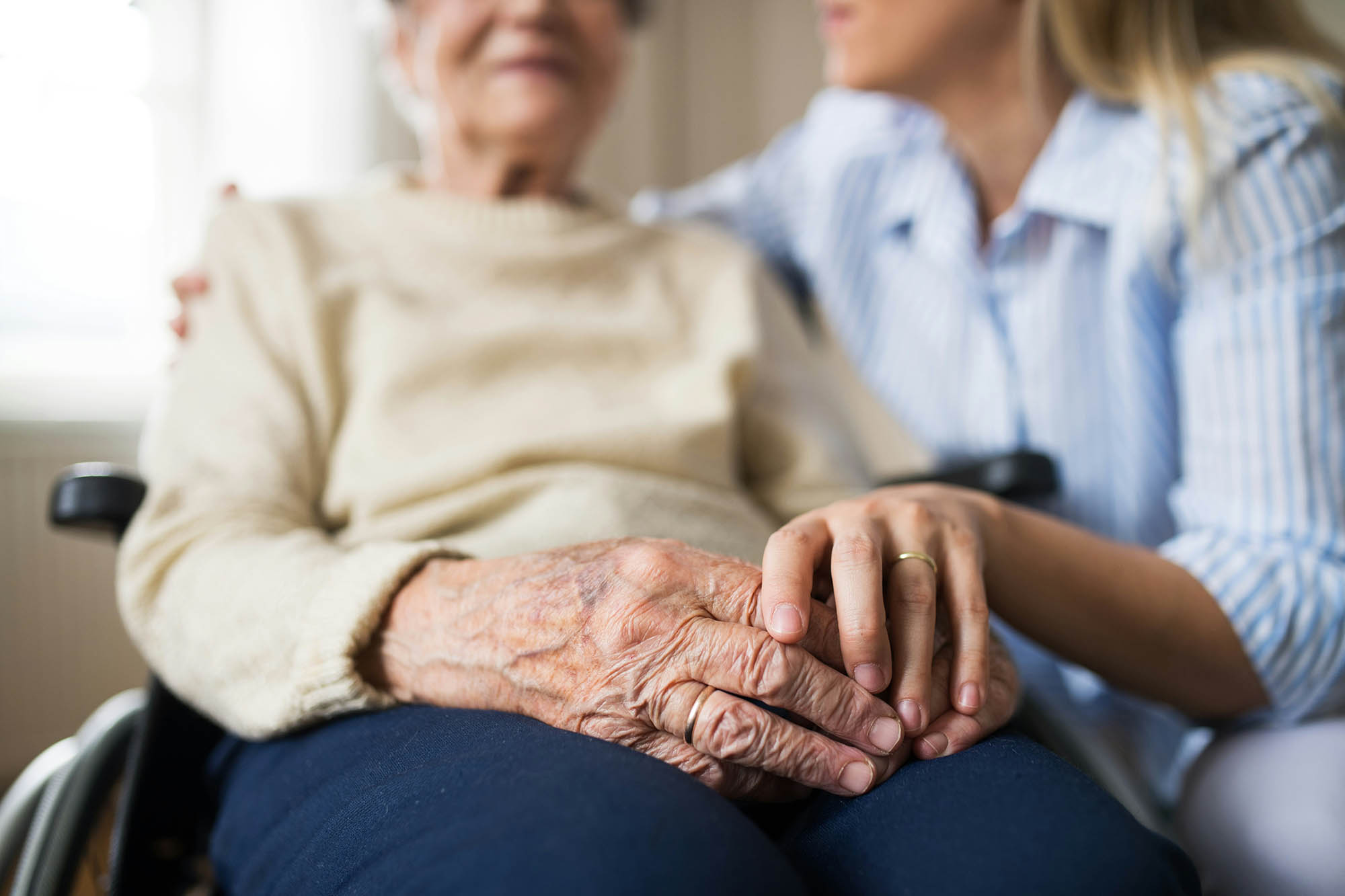
Caregiver exhaustion is real and it is one of the most under-acknowledged forms of burnout. It does not always look dramatic. It can look like a low-level resentment you feel guilty about, a creeping sense of emptiness behind all the giving, an inability to receive care when it is offered because you have forgotten how, or a growing awareness that you have no idea what you actually want because you have not asked yourself that question in years.
Counselling gives caregivers permission to put down the weight for a while and turn their attention inward. Not as an act of selfishness but as a necessary act of self-preservation. You cannot keep giving from an empty well. And the work of understanding what you need, and beginning to meet those needs, is not just good for you. It is good for everyone you care for.
A Safe, Supportive Space To Be Yourself
One of the things women tell me most often in our early sessions is that they have never had a space where they did not have to manage how they were being received. Where they did not have to soften what they were saying to protect someone else’s feelings, or hold back the full weight of something because they were worried about being too much.
This is that space. My role is not to fix you or guide you toward a predetermined outcome. It is to walk alongside you with genuine curiosity and without judgement, holding space for the full complexity of your experience. The mental load, the grief, the anger, the confusion, the hope, all of it is welcome here.
Women often discover in this work that what they have been carrying is heavier than they realized, and that they have been stronger than they gave themselves credit for. Both of those things can be true at once. And from that honest place, something tends to shift. Not all at once, and not without effort. But genuinely, and in a direction you choose.
Avoiding your emotions can lead to negative outcomes in your life. Over time, ignoring or avoiding your emotional response may alter your ability to process emotions later on.
How I Work With Women
The therapeutic approaches I draw on are chosen because they are well suited to the particular complexity of women’s experiences: the relational nature of how women often process emotion, the body-based dimensions of stress and burnout, and the deep connection between identity, relationships, and emotional wellbeing.
Person-Centered Counselling: Your Experience at the Centre
Everything starts here. Person-Centered Counselling is grounded in the belief that you are the expert on your own life and that the conditions for healing emerge naturally from a relationship of genuine acceptance and trust. For women who have spent years prioritising everyone else’s needs, being genuinely centered in a therapeutic relationship, heard without agenda and accepted without condition, is often a profound and unfamiliar experience. That experience is itself part of the work.

Emotionally Focused Therapy: Understanding What You Are Actually Feeling
Women are often told they are too emotional and at the same time find that their emotions are not actually being heard or taken seriously. Emotionally Focused Therapy helps you slow down and connect with what is genuinely happening inside, beneath the surface of the roles you carry and the coping strategies you have developed. Understanding your emotional experience from the inside, rather than managing it from a distance, is where real change becomes possible.
Attachment-Based Therapy: Your Relational Patterns
How we learned to connect and seek care in early relationships shapes every significant relationship we have as adults, including the relationship we have with ourselves. For many women, patterns of over-giving, people-pleasing, difficulty receiving care, or chronic self-criticism have roots in early attachment experiences. Understanding those roots does not excuse the patterns but it does make them navigable in a way they are not when they simply feel like character flaws.
Somatic Experiencing: When the Body Carries What Words Cannot
Stress, grief, and burnout do not only live in the mind. They accumulate in the body as tension, fatigue, chronic activation, and a nervous system that has been on high alert for too long. Somatic Experiencing gently brings awareness to how your body is holding what you have been carrying and supports it in gradually returning to a more settled state. I am currently in advanced training in this approach and integrates it thoughtfully into sessions where it feels right. For many women, attending to the body is where the first real sense of relief becomes possible.
These approaches work together rather than in isolation, and what guides the work is always your experience, your story, and what you need most right now. The through line across all of it is hope: the conviction that where you are right now is not where you have to stay, and that a life with more ease, more clarity, and more of yourself in it is genuinely within reach.
Frequently Asked Questions About Counselling for Women
Is counselling for women different from general counselling?
In approach, not dramatically. In focus and framing, yes. Counselling for women is built around an understanding of the specific experiences, pressures, and life transitions that shape women’s emotional lives: the invisible labour, the relational nature of how women often process stress, the particular grief of fertility loss, the identity shifts around motherhood and caregiving, and the cultural pressures around body and worth. That context matters, and having a counsellor who understands it without having to be educated on it can make a significant difference in how quickly you feel understood.
Do I need to be in crisis to come to counselling?
No. Many women come to counselling not because something has dramatically broken down but because they have a quiet, persistent sense that something is off, that they are running on empty, that they have lost the thread back to themselves. That is a completely valid and often very wise reason to reach out. You do not have to wait until things become unbearable.
I feel guilty taking time for myself. Is that normal?
Extremely common, particularly for women who have been in caregiving roles. The belief that taking time and resources for your own wellbeing is selfish is one of the most pervasive and damaging things women absorb from the culture they grow up in. Counselling is one of the most useful investments you can make, not just for yourself but for everyone around you. You cannot pour from an empty cup, and you deserve to have yours filled.
I am going through fertility struggles. Is it okay to come to counselling just for that?
Absolutely. Fertility grief is real, profound, and significantly underserved in terms of support. You do not need to be struggling across multiple areas of your life to come to counselling. If what you are carrying around fertility, pregnancy loss, or reproductive decisions is affecting your wellbeing, that is enough. This is a space that understands this particular grief and takes it seriously.
What if I do not know what I need from counselling?
Most people do not when they first reach out, and that is completely fine. You do not need to arrive with a clear agenda or a list of goals. Often the most important thing is simply having a space to say what has been unsaid, and letting the work unfold from there. The free 20-minute consultation is a good place to start: a low-pressure conversation where you can share a little about what is going on and get a sense of whether this feels like the right fit.
Do you offer online counselling for women?
Yes. I offer individual counselling online for women across BC. Online sessions offer the same depth of support as in-person appointments and are often more accessible for women managing full schedules, caregiving responsibilities, or the kind of exhaustion that makes leaving the house feel like too much. In-person sessions in Kelowna are also available.
You Have Been Holding a Lot.
You Do Not Have To Do It Alone.
Whatever brought you here, whether it is a specific struggle you have been carrying or simply a quiet sense that you need more support than you have been giving yourself, this is a space where you are welcome. Kelowna counselling for women is available in person and online across BC, and the first step is simply reaching out.
You do not have to have it figured out before you call. You do not have to be in crisis. You do not have to justify what you are feeling or explain why it matters. It matters because you do.
There is hope here, and you deserve access to it.
Book A Counselling Appointment Now
When you’re ready, I’m here. New clients are welcome to start with a no-pressure 20-minute online consultation, completely free.