
Divorce Counselling Kelowna
Divorce is one of life’s most significant transitions. What comes next is worth getting right.
Individual counselling to help you navigate the end of a marriage and find your way forward.

Divorce Counselling In Kelowna
Divorce is not just the end of a marriage. It is the unravelling of a shared life: the routines, the future plans, the sense of identity that was built inside a relationship over months or years or decades. Even when divorce is the right decision, even when you chose it, the emotional weight of it can be surprising in its depth and its persistence.
People going through divorce often describe feeling like they are grieving and rebuilding at the same time, which is exactly what they are doing. There is the grief of what the relationship was, what it could have been, and what it will no longer be. And alongside that, there is the enormous practical and emotional work of figuring out who you are and what your life looks like now.
I offer individual divorce counselling in Kelowna and online across BC for people who want support navigating that process. Not to speed it up or tell you how it should look, but to give you a space where you can be honest about what you are carrying and begin to move through it with more clarity and steadiness than you could manage alone.
Together, we’ll create a path toward healing, personal growth, and resilience.
– Katharine Hansen
Book A Counselling Appointment Now
You do not have to move through this alone. New clients are welcome to book a complimentary 20-minute online consultation so we can connect before you commit to anything.
What Divorce Really Feels Like
Divorce rarely feels the way people expect it to, even people who have wanted it for a long time.
Some people expect to feel relieved and instead feel devastated. Some expect to feel sad and are caught off guard by the anger. Some feel all of those things within the same hour and then feel guilty for the one that does not seem to fit. Some feel nothing for a while, which can be the most frightening experience of all.
There is also the particular loneliness of going through something this significant in a world that often treats divorce as a practical matter rather than an emotional one. People around you may be supportive, but there is often pressure, sometimes spoken and sometimes not, to move on, stay strong, keep functioning, be fine. That pressure can make it very difficult to actually grieve what you have lost.
In counselling, there is no version of your experience that is wrong or too much. The anger is welcome. The grief is welcome. The relief and the guilt about the relief are both welcome. The confusion about who you are now that this relationship has ended is one of the most important things we can work with together. All of it belongs here.
What Divorce Counselling Helps With
Divorce touches nearly every part of a person’s life at once, and the emotional work of it can feel impossible to manage alongside everything else that needs to be handled practically. Here are some of the specific areas we work through together.
Processing the Grief
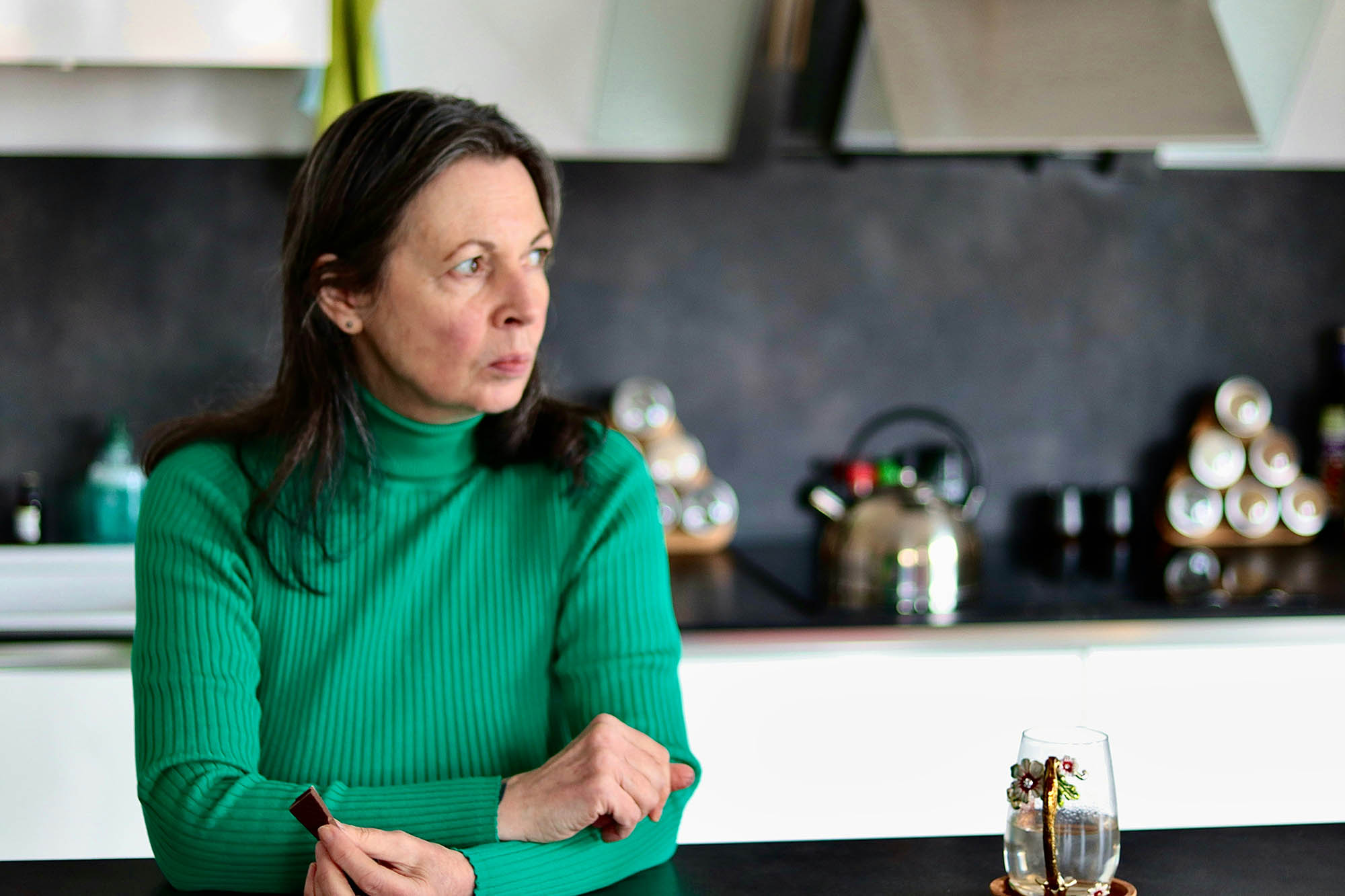
Divorce is a loss, and it deserves to be grieved properly. That includes grieving the relationship you had, the one you hoped it would become, the future you imagined together, and often the version of yourself that existed inside that marriage. Grief counselling for divorce gives that loss the space and attention it needs, rather than pushing past it in the name of moving on.
Managing Anxiety About the Future
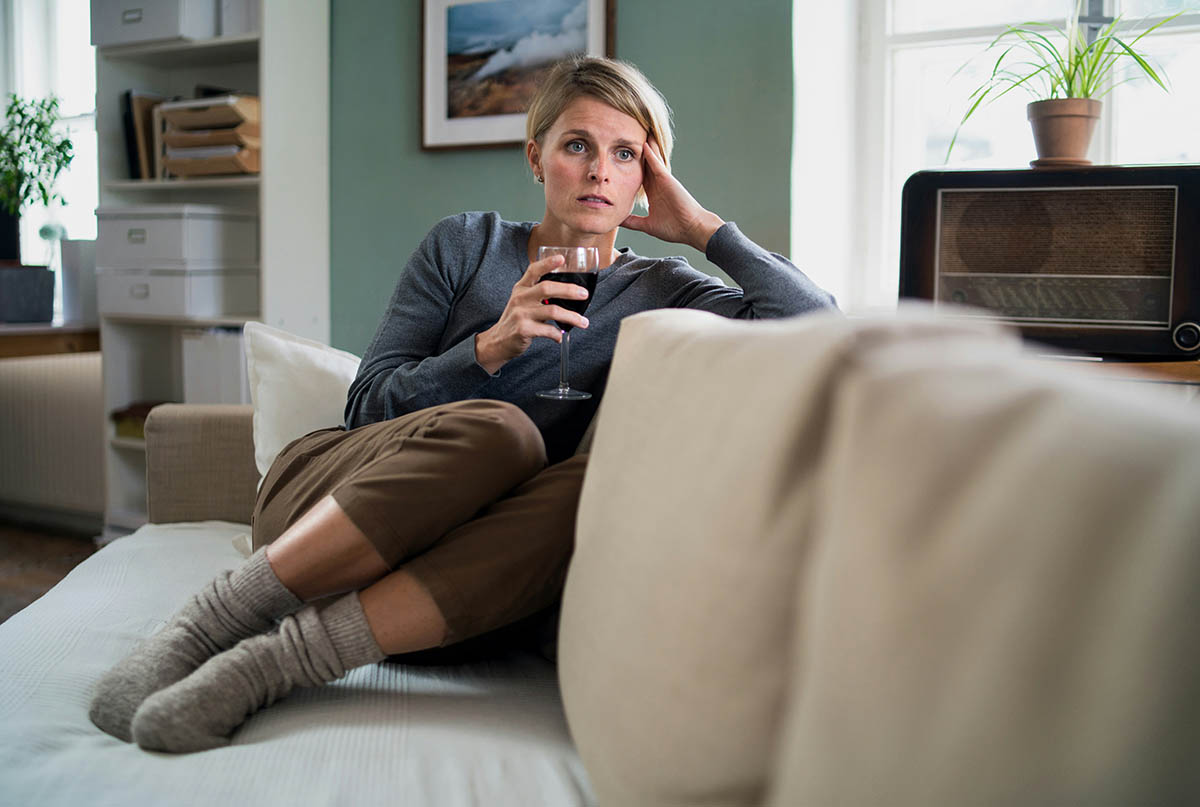
Divorce dismantles a structure that may have felt permanent. Financial security, living arrangements, social circles, daily routines, the sense of a shared future: all of it suddenly becomes uncertain. That uncertainty generates anxiety that can make it very hard to think clearly or make decisions. Counselling helps you manage that anxiety so it does not make every decision feel impossible.

Rebuilding Your Sense of Identity
A long relationship becomes part of how we understand ourselves. When it ends, the question of who you are now, separate from the role of partner or spouse, can feel genuinely disorienting. This is some of the most meaningful work that happens in divorce counselling: helping you reconnect with who you are, what you value, and what you want your life to look like going forward.

Co-Parenting After Divorce
For parents, divorce does not end the relationship. It transforms it into something that must continue to function for the sake of children who need both parents to show up. Maintaining a workable co-parenting relationship with someone you are no longer partnered with, and may be in significant conflict with, is some of the hardest relational work there is. Counselling can help you find the steadiness and communication skills to do it well, even when it is painful.

Understanding What Went Wrong
Many people going through divorce carry a need to understand what happened in the relationship and what role they played in it. Not to assign blame, but to make sense of it. That understanding is genuinely valuable, not as a way of staying stuck in the past but as a way of making sure the patterns that shaped this relationship do not simply follow you into the next chapter of your life.
Finding Hope For What Comes Next
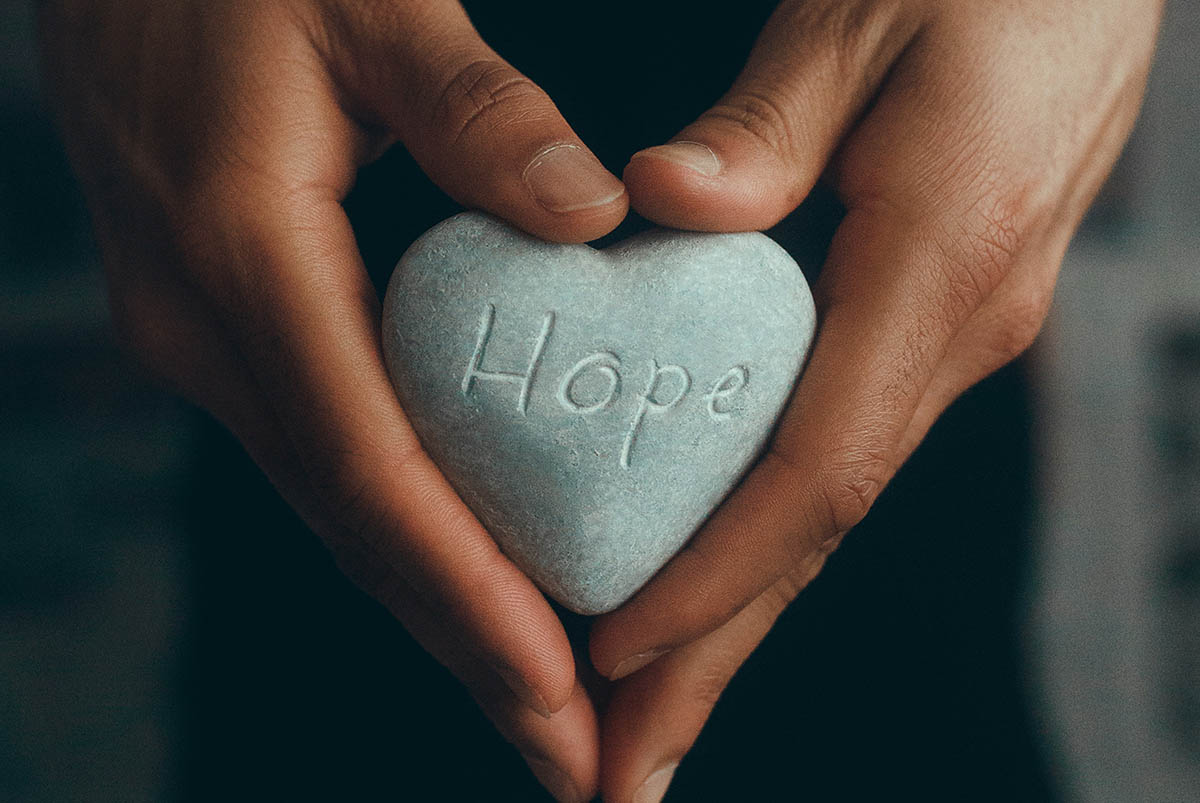
Divorce can make the future feel very blank or very frightening. Part of the work of divorce counselling is gradually, at whatever pace feels right, beginning to build a sense of what you actually want your life to look like now. Not who you were inside the marriage, and not who you were before it, but who you are becoming. That process, as hard as it is, holds real possibility. Hope is not naive here. It is something we build, carefully and honestly, together.
Avoiding your emotions can lead to negative outcomes in your life. Over time, ignoring or avoiding your emotional response may alter your ability to process emotions later on.
How I Work With Divorce
Divorce counselling is not one thing. It shifts depending on where you are in the process, what you are carrying, and what you need most right now. Someone in the early shock of a separation needs different support than someone who is two years out and still unable to move forward. My approach adapts to where you actually are, not where you are supposed to be.
The therapeutic approaches I draw on are particularly well suited to the emotional complexity of divorce.

Emotionally Focused Therapy: Making Sense of What You Feel
Divorce generates a tangle of emotions that can feel impossible to sort through. Emotionally Focused Therapy helps you slow down and connect with what is actually happening inside, beneath the surface of the day-to-day functioning. Rather than managing your emotions from a distance, this approach helps you understand them from the inside, so they become something you can work with rather than something that ambushes you. Many people find that when they can finally name what they are carrying, it begins to feel more manageable.

Attachment-Based Therapy: Understanding Your Relational Patterns
How we learned to connect with others early in life shapes every significant relationship we have as adults, including our marriages and the way we experience their endings. Attachment-Based Therapy helps you understand where your relational patterns come from, how they showed up in your marriage, and how to begin building more secure ways of connecting going forward. This work is particularly valuable for people who want to understand what happened in their relationship rather than simply leave it behind.

Somatic Experiencing: When the Body Carries the Weight
Divorce and separation are not only emotional experiences. They live in the body as exhaustion, tension, sleeplessness, a persistent heaviness that does not lift even on the good days. Somatic Experiencing gently brings awareness to where stress and grief are held physically and supports the nervous system in releasing what it has been holding. Katharine is currently in advanced training in this approach and integrates it thoughtfully into sessions where it feels appropriate. For many people navigating divorce, this is where some of the most significant relief comes from.

Person-Centered Counselling: Being Heard Without Judgement
Running through all of this work is a Person-Centered foundation. You are the expert on your own experience, and this is not a space where you will be told how your divorce should look, how long it should take, or what the right decision was. It is a space where you are genuinely heard, without the pressure to perform okayness or meet anyone else’s timeline. For many people going through divorce, being truly heard without judgement is itself a profound relief. And from that foundation, real movement becomes possible.
Separation and Divorce: You Do Not Have To Have It Figured Out
Not everyone who comes to divorce counselling has a signed agreement or a court date. Many people are somewhere in the middle: separated but not yet divorced, unsure whether the separation is temporary or permanent, living in the uncertainty of a relationship that has broken down but not formally ended.

That in-between place is its own particular kind of hard. The grief and the anxiety are real, but the situation is still unresolved. There is no clear narrative yet, which can make it difficult to get support from the people around you and difficult to know what you are even grieving.
Counselling during separation is just as valuable as counselling during or after divorce. You do not need to have made a final decision or reached a legal conclusion before reaching out. You just need to be carrying something that is too heavy to carry alone. That is enough.
Frequently Asked Questions About Divorce Counselling
What is the difference between divorce counselling and couples therapy?
Couples therapy typically involves both partners working together with a therapist to repair or improve the relationship. Divorce counselling is individual support for one person moving through the experience of separation or divorce. I offer individual counselling only, which means sessions focus entirely on your experience, your emotional process, and what you need to move forward. You do not need your former partner’s involvement or agreement.
Your Title GoeDo I need to be legally divorced to start divorce counselling?s Here
No. Many people come to counselling during separation, before any legal process has begun or concluded. The emotional experience of relationship breakdown does not wait for paperwork. If you are carrying the weight of a relationship ending, that is reason enough to reach out regardless of where things stand legally.
I initiated the divorce. Is it normal to still feel devastated?
Completely normal, and more common than most people admit. Choosing to end a marriage does not protect you from grieving it. You can know with absolute certainty that divorce was the right decision and still feel profound sadness, guilt, disorientation, or loss. Those feelings do not contradict your decision. They are part of the honest emotional experience of ending something significant, and they deserve the same care and attention as anyone else’s grief.
How can counselling help with co-parenting after divorce?
Co-parenting after divorce asks you to maintain a functional working relationship with someone you may be in significant pain around, for the sake of children who need both of you. Counselling can help you manage your own emotional responses so they do not spill into co-parenting interactions, develop communication strategies that reduce conflict, and build enough steadiness that your children experience as little disruption as possible. It is genuinely hard work, and it is worth getting support for.
How long does divorce counselling take?
It depends on where you are in the process and what you are working through. Some people find significant relief and clarity in a focused period of eight to twelve sessions. Others work through divorce over a longer stretch, particularly when the relationship was long or the circumstances are complex. There is no timeline you are supposed to meet. We check in regularly and you are always in control of the pace.
Do you offer online divorce counselling?
Yes. I offer individual counselling online for people across BC. Online sessions are well suited to divorce counselling in particular because many people find it easier to open up from the privacy and comfort of their own space. In-person sessions in Kelowna are also available.
What if I am not sure counselling is right for me?
That uncertainty is understandable, especially when you are already managing so much. New clients are welcome to book a free 20-minute online consultation before committing to anything. It is a no-pressure conversation where you can ask questions, share a little about what you are going through, and get a sense of whether counselling with me feels like the right fit. There is no obligation.
You Do Not Have To Move Through This Alone
Divorce is one of the hardest things a person can go through. The grief is real, the uncertainty is real, and the work of rebuilding is real. But so is the possibility of coming through it with a clearer sense of who you are, what you want, and what your life can look like on the other side.
Kelowna divorce counselling and separation support are available in person and online across BC. Whatever you are carrying right now, this is a space where you are welcome to bring it.
Hope is not something you have to find on your own. It is something we work toward together.
Book A Counselling Appointment Now
Taking the first step is often the hardest part. New clients are welcome to book a complimentary 20-minute online consultation so we can connect before you commit to anything.